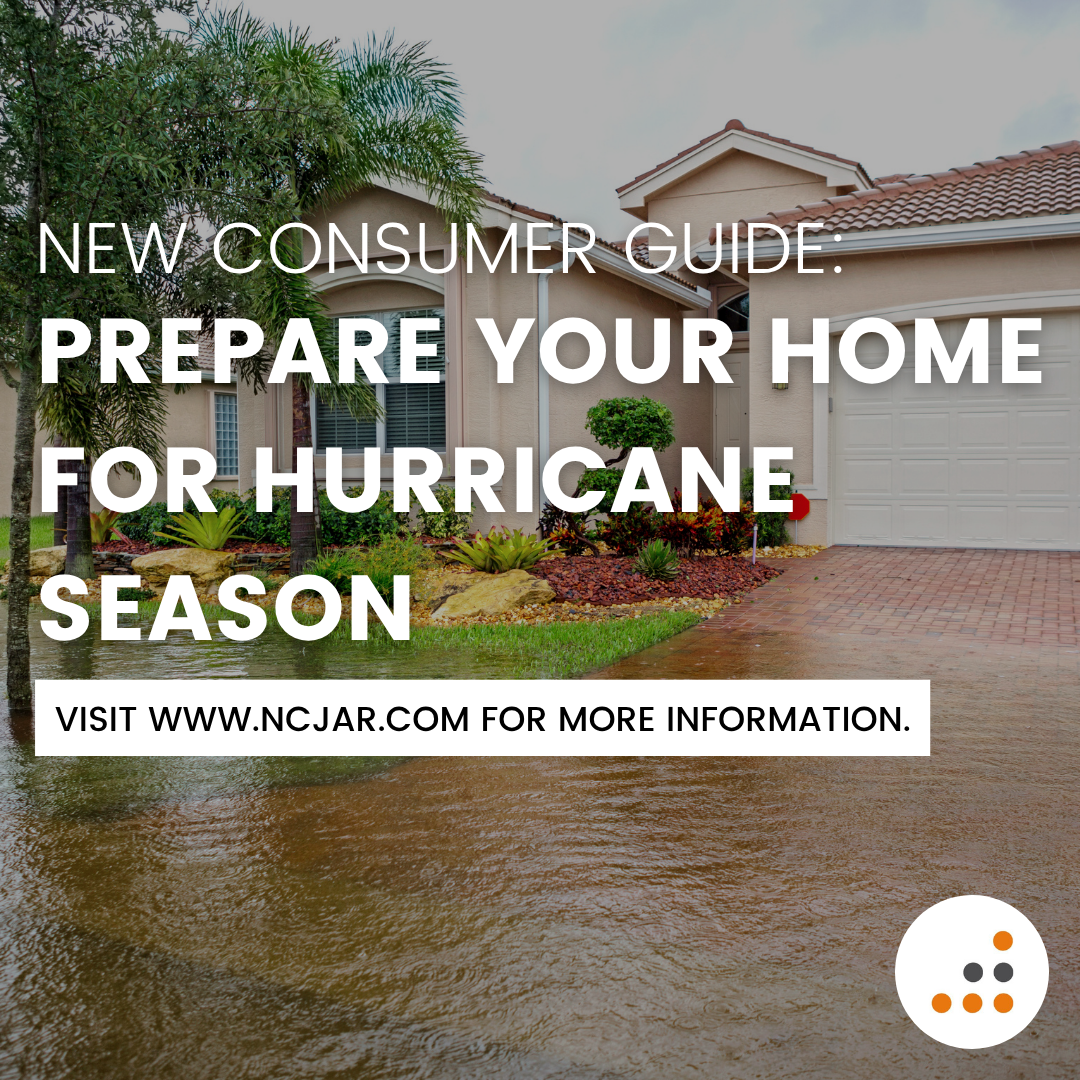
 Severe weather can affect homeowners almost anywhere, and hurricane season is an important reminder that preparation can make a meaningful difference before a storm arrives.
According to the National Association of REALTORS® (NAR), hurricanes put Americans at risk and cause billions of dollars in property damage each year. Depending on the region, hurricane season can run from May 1 through November 30, with the Atlantic basin typically reaching its peak around mid-September.
For NCJAR® members, hurricane preparedness is also useful information to share with clients. Whether you're working with buyers, sellers, or longtime homeowners, encouraging people to think ahead can help them better protect their property, important documents, and families.
Start With an Emergency Plan
Homeowners should know what they will do before severe weather arrives. NAR recommends checking local municipal or county resources for evacuation routes and nearby shelters and having a plan for reaching a safe location.
Those planning to remain at home should identify the safest areas of the property, particularly spaces away from high winds and potential flooding. It is also important to prepare for the possibility of losing electricity, water, internet, or other essential services.
Families should make sure everyone understands the plan, including where to go and how to communicate if household members become separated.
Build an Emergency Supply Kit
Don't wait until a storm is approaching to search for essential supplies. NAR recommends having items such as flashlights and extra batteries, medications, drinking water, nonperishable food, a first-aid kit, and a whistle available.
A general recommendation is to have approximately one gallon of drinking water per person per day. Emergency power supplies and solar-powered chargers can also help keep phones and other important devices functioning during an extended power outage.
Prepare Your Vehicle
A vehicle can become an important part of an evacuation plan. Before a storm, homeowners should consider filling the gas tank and keeping an emergency kit in the vehicle.
When possible, vehicles should be moved into a garage or another covered location to reduce their exposure to wind and flying debris.
Document What You Own
Creating a home inventory is one preparedness step that can easily be overlooked.
NAR recommends making a comprehensive list of personal property and, when possible, recording videos showing belongings throughout the home. Having this documentation may help when filing an insurance claim, substantiating certain losses for tax purposes, or applying for federal or state disaster assistance.
Homeowners may want to periodically update their inventory after purchasing furniture, electronics, appliances, jewelry, or other significant items.
Protect Important Documents
Financial records, insurance policies, property and vehicle deeds, birth certificates, medical information, and other important documents should be protected before an emergency.
Consider making digital copies and storing original documents in a secure, waterproof location. Homeowners who evacuate may also want to bring essential documents with them.
Review Your Insurance Coverage
Insurance is another area homeowners should review before a storm is on the radar.
NAR recommends making sure coverage is sufficient to repair or rebuild a home based on current construction costs, replace personal belongings, and address additional living expenses if temporary housing becomes necessary.
Flood coverage deserves particular attention. Hurricanes can produce heavy rain, inland flooding, and storm surge, and flood damage is generally not covered by a standard homeowners insurance policy. Even homeowners outside designated high-risk flood zones may want to speak with an insurance professional about their options.
REALTORS® should encourage clients to direct specific questions about coverage, exclusions, and insurance needs to a qualified insurance professional.
Take Steps to Protect the Property
Simple maintenance and improvements can help reduce potential storm damage.
The American Red Cross recommendations cited by NAR include protecting windows and sliding glass doors with shutters or appropriate sheeting and considering a sump pump with battery backup. Impact-resistant windows are another option homeowners may consider, particularly in areas where they are required by local ordinances.
Outside the home, homeowners should trim small or weak tree branches, secure or bring inside objects that could become airborne, anchor heavy items that cannot be moved indoors, and clean drains, gutters, and downspouts.
These are worthwhile tasks to address well before severe weather is forecast.
Sign Up for Emergency Alerts
Information can change quickly during a hurricane or major storm. Homeowners should sign up for local emergency notifications and understand the different types of alerts they may receive.
NAR directs consumers to Ready.gov for information about emergency alert systems and additional preparedness resources.
REALTORS® Can Help Clients Think Ahead
A REALTOR®'s role goes beyond helping clients navigate a transaction. REALTORS® can also serve as a valuable source of information by connecting homeowners and consumers with reliable resources.
Consider sharing hurricane preparedness information with clients before severe weather threatens the area. A timely email, social media post, newsletter, or conversation can remind homeowners to review their emergency plans, insurance coverage, property condition, and important records.
Preparation does not eliminate the risks associated with hurricanes and severe storms, but taking practical steps ahead of time can help homeowners respond more effectively when conditions change.
NAR's Consumer Guide, Prepare Your Home for Hurricane Season, also includes additional resources from the American Red Cross, Ready.gov, the Centers for Disease Control and Prevention, and FEMA.
Source: National Association of REALTORS®, Consumer Guide: Prepare Your Home for Hurricane Season. View the full NAR Consumer Guide
